


Skin Boosters vs Dermal Fillers Which Injectable Is Right for You

Updated: Jul 29
Injectables can refresh the face in very different ways. One treatment might make skin look smoother, fresher and more hydrated. Another might restore cheek support, soften folds or shape the lips. Both involve needles, and both are popular in aesthetic clinics, but they are not the same treatment.
That is where confusion starts. Skin boosters and dermal fillers are often grouped together because many are based on hyaluronic acid, a substance the body naturally contains. Yet the goal, texture, placement, result and aftercare can be quite different.
This guide breaks down the real differences, what each treatment is best for, and how to think about the right option for your face, skin and goals. It is general information only and does not replace medical advice from a qualified prescriber or aesthetic practitioner.

What skin boosters actually do
Skin boosters are injectable treatments designed to improve skin quality rather than change facial shape.
They are usually placed in tiny amounts across an area of skin. Common treatment areas include the cheeks, under-eye area, neck, décolletage and hands. Instead of creating lift or volume in one obvious place, they spread hydration and support through the skin.
Many skin boosters use hyaluronic acid in a softer, more fluid form than traditional filler. Some treatments may also use ingredients such as amino acids, antioxidants or polynucleotides, depending on the product. The exact formula matters, so this is something to discuss at consultation.
Skin boosters are often chosen for concerns such as:
Dull or tired-looking skin
Fine lines caused by dehydration
Crepey texture on the neck or chest
Roughness or uneven skin texture
Skin that looks less elastic than it used to
Early signs of ageing where volume loss is not the main issue
The effect is usually subtle. Skin may look fresher, smoother and more luminous, but the face should not look fuller in a sculpted way.
For many people, the appeal is that skin boosters work on the “fabric” of the skin. They are closer to a skin-conditioning treatment than a reshaping treatment.
What dermal fillers are designed to do
Dermal fillers are injectable gels used to add volume, support, contour or structure.
Most commonly used fillers are hyaluronic acid based, though other types exist. In aesthetic medicine, hyaluronic acid fillers are popular because they can be adjusted over time and, in many cases, dissolved by a qualified practitioner if needed.
Fillers come in different textures. Some are soft and flexible for lips or fine lines. Others are firmer and better suited to cheeks, chin or jawline support. A good practitioner chooses the product based on anatomy, movement and the result needed.
Dermal fillers may be used to treat:
Volume loss in the cheeks or temples
Deeper folds around the mouth
Lip shape, symmetry or definition
Chin balance
Jawline contour
Tear trough hollowness in suitable candidates
Nose-to-mouth lines where support has been lost
Unlike skin boosters, fillers can create a visible change in shape. That does not mean the result has to look obvious. Well-placed filler should respect the face’s proportions and natural movement.
The key difference is purpose. Fillers replace or create structure. Skin boosters improve skin texture and hydration.

The main differences between skin boosters and dermal fillers
The easiest way to compare skin boosters and dermal fillers is to look at the job each one does.
Feature | Skin boosters | Dermal fillers |
Main aim | Improve skin hydration, smoothness and glow | Add volume, contour or support |
Texture | Usually softer and more fluid | Varies from soft to firm gel |
Placement | Many small injections across the skin | Targeted placement in specific areas |
Visual result | Subtle improvement in skin quality | More noticeable change in shape or volume |
Common areas | Face, neck, décolletage, hands | Cheeks, lips, chin, jawline, folds |
Best for | Dull, dehydrated or crepey skin | Hollowing, folds, asymmetry or loss of structure |
Typical treatment plan | Often a course, then maintenance | Often one session, then top-ups as needed |
Downtime | Mild swelling, bumps or bruising possible | Swelling, tenderness and bruising possible |
The phrase Skin Boosters vs Dermal Fillers can make the choice sound like a competition. In practice, they solve different problems. Some people need one. Some benefit from both at different stages.
A simple way to think about it:
If skin looks tired but facial shape still feels balanced
If the face looks flatter, hollow or less supported
A skin booster may be the better starting point
Dermal filler may be more appropriate
When skin boosters may be the better choice
Skin boosters can suit people who want a fresher look without changing facial contours. They are often used when the skin looks less smooth or less hydrated, even with good skincare.
They may be a good fit if the main concern is texture rather than volume. For example, someone might feel that make-up sits badly, fine lines look more noticeable, or the skin has lost its “spring”. In these cases, adding filler may not solve the problem because the issue sits in the skin itself.
Skin boosters can also work well for areas where traditional filler might be too heavy or too risky in the wrong hands. The neck and décolletage are common examples. These areas often show fine creases and dehydration, but they do not usually need volume in the same way as cheeks or lips.
Results tend to build gradually. Some people notice a fresher look within a couple of weeks, while collagen and hydration effects may develop over a longer period, depending on the product used. Many treatment plans involve an initial course followed by maintenance sessions.
Skin boosters are not the best tool for lifting sagging tissue or correcting significant hollowness. They can make the skin look better, but they will not replace the structural effect of filler.
When dermal fillers may be the better choice
Dermal fillers are usually more suitable when shape, proportion or volume is the main concern.
Facial ageing often involves changes below the skin. Fat pads shift, bone support changes, and soft tissue may sit differently. This can show as flatter cheeks, deeper folds, hollowness under the eyes or less definition around the lower face.
In these cases, skin hydration alone may not give the desired result. A carefully placed filler can support the area and soften shadows. It can also improve facial balance, such as adding chin projection or defining the lip border.
Fillers may be the better choice if the goal is to:
Restore cheek support
Improve lip shape or volume
Soften deeper folds
Balance the chin or jawline
Reduce hollow shadows in suitable areas
Correct mild asymmetry
The word “filler” can sound as if the aim is simply to fill lines. Modern treatment is usually more thoughtful than that. A skilled injector often treats support points rather than chasing every wrinkle.
That said, filler must be used carefully. Too much product, poor placement or treatment by an underqualified person can create puffiness, heaviness or an unnatural look. The best results often come from conservative treatment and review, rather than trying to do everything in one appointment.
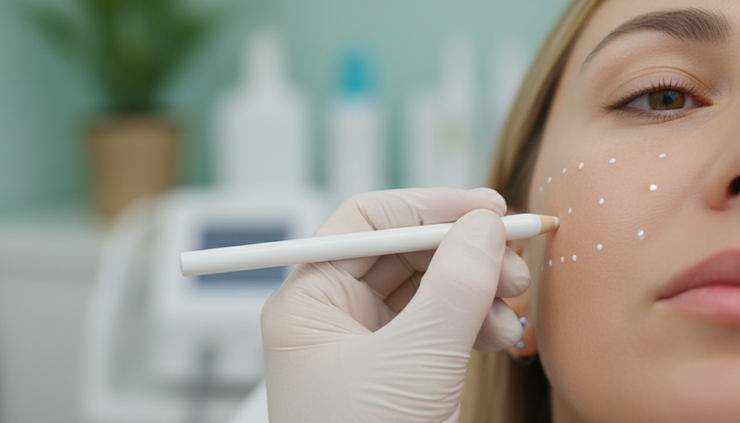
Can skin boosters and fillers be combined
Yes, they can be combined, but timing and planning matter.
A common approach is to use dermal filler for structure and skin boosters for skin quality. For example, cheek filler might restore support, while a skin booster improves the surface texture across the mid-face. The two treatments can complement each other because they work at different levels.
They do not always need to be done on the same day. In many cases, spacing treatments gives the practitioner time to assess swelling, tissue response and the true result. This is especially useful for new patients or anyone who wants a very natural outcome.
A combined plan might look like this:
Consultation and facial assessment
The practitioner checks anatomy, medical history, skin condition and goals.
Structural treatment if needed
Filler may be placed first if volume loss or support is the main issue.
Skin-quality treatment
Skin boosters may follow to improve hydration, smoothness and texture.
Review and maintenance
Small adjustments are made only if genuinely needed.
A good plan should feel measured. If every concern is being treated at once, ask why. There should be a clear reason for each product and each injection point.
What to expect during treatment
A consultation should come before any injection. This is where the practitioner reviews medical history, allergies, medications, previous treatments and expectations. Certain conditions, pregnancy, breastfeeding or active skin infections may mean treatment should be delayed or avoided.
The skin is usually cleansed, and numbing cream may be used. Some injectable products also contain local anaesthetic. Treatment time varies, but many sessions are relatively short.
With skin boosters, the practitioner may use multiple tiny injections or a cannula, depending on the product and area. Small bumps can appear immediately after treatment, especially with microinjection techniques. These often settle as the product disperses, though timing can vary.
With dermal fillers, the practitioner places product in targeted areas using a needle or cannula. Swelling is common, especially in the lips. Bruising, tenderness and mild asymmetry during the settling phase can also happen.
After either treatment, typical advice may include:
Avoid heavy exercise for the rest of the day
Avoid alcohol for at least 24 hours if advised
Do not press or massage the area unless told to
Keep the skin clean
Avoid intense heat, saunas or steam rooms for a short period
Follow the clinic’s specific aftercare instructions
Seek urgent medical advice if there is severe pain, skin blanching, mottled discolouration, worsening swelling, visual changes or symptoms that feel unusual. Vascular complications are rare, but they are serious and need immediate attention.
How long results may last
Longevity varies by product, treatment area, dose, metabolism, lifestyle and technique.
Skin boosters usually give a gradual result and often need a course for best effect. Maintenance may be recommended every few months, depending on the product and skin concern.
Dermal fillers may last longer in some areas than others. Lip filler often breaks down faster because the mouth moves constantly. Firmer filler in areas such as the cheeks or chin may last longer. That said, individual results vary widely.
A sensible practitioner will not promise an exact timeline. They should explain the expected range and review the result in person.
How to choose the right injectable for your goals
The right choice starts with the concern, not the product name.
Ask yourself what is bothering you most when you look in the mirror. Is the skin dull, dry or crepey? Or is the face looking hollow, flat or less defined? Those are different problems.
Use this guide as a starting point:
Concern | Treatment that may fit better |
Skin looks dull or dehydrated | Skin booster |
Fine lines from dryness | Skin booster |
Neck or chest crepiness | Skin booster |
Cheeks look flat | Dermal filler |
Lips need shape or volume | Dermal filler |
Deep folds from volume loss | Dermal filler |
Overall tired look with both texture and hollowness | A planned combination |
The practitioner matters as much as the product. Choose someone qualified, insured and experienced in facial anatomy. In Ireland, injectable treatments should be approached as medical procedures, even when they are done for cosmetic reasons.
A good consultation should include:
A clear diagnosis of the concern
Discussion of suitable and unsuitable options
Risks, side effects and aftercare
Realistic expectations
A cooling-off period if needed
No pressure to treat on the day
Be cautious if the focus is only on price, trends or package deals. Good injectable work is personal. It should fit the face, not a template.

The clearest way to decide
Choose skin boosters if the main goal is healthier-looking, better-hydrated skin with subtle improvement in texture and glow. Choose dermal fillers if the main goal is volume, contour, support or shape.
If both issues are present, the answer may be a staged plan rather than a single treatment. Skin quality and facial structure age differently, and they often need different tools.
The best result is not the most noticeable one. It is the one that suits the face, moves naturally and makes sense when discussed clearly at consultation. A careful assessment will tell you whether your skin needs conditioning, your features need support, or both.
To arrange a consultation, contact ElusyClinic at 0857363657 https://www.elusyclinic.ie/
This article is for general educational purposes and does not replace personalised medical advice. Results and suitability vary. All injectable treatments carry risks and require an individual consultation with a qualified healthcare professional.



Comments